Healthy habits begin with everyday choices. Mindful eating, regular physical activity, restful downtime, and attention to your personal interests help make ordinary days more varied and well-organized.Explore ideas for your home menu, discover new ways to spend your free time, curate a space for relaxation, and find convenient ways to incorporate beneficial activities into your daily routine. Choose what best suits your own lifestyle, and gradually build your own system of everyday comfort.
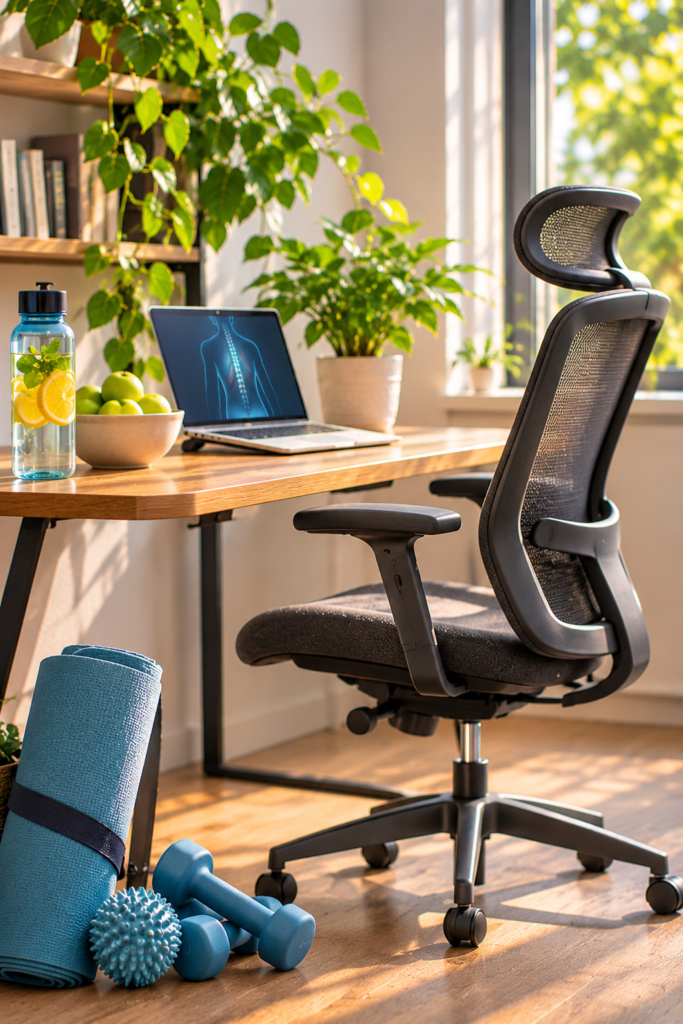
Maintaining healthy habits is easier when you have clear guidelines and convenient ways to organize your daily routine. This section covers areas that help you focus on nutrition, physical activity, rest, and personal scheduling. Each approach can be tailored to your own interests, workload, and existing lifestyle.
You don’t need to completely overhaul your daily routine to focus more on your well-being. It is far more manageable to choose one area of focus, explore the available guidance, and gradually put relevant ideas into practice. This approach allows you to account for your personal circumstances, avoid unnecessary pressure, and maintain realistic expectations.

Useful information should do more than just help you understand a topic—it should provide concrete solutions for everyday situations. That is why these materials combine clear explanations, relatable real-life examples, and recommendations that can be adapted to various circumstances. There is no need to follow a rigid schedule; each reader can choose the format that works best for them and proceed at their own pace.
Taking care of yourself doesn’t necessarily require radical changes or a rigid routine. Often, it starts with simple choices: preparing a wholesome breakfast, going for a walk instead of spending extra time in front of a screen, prepping ingredients in advance, or setting aside an evening for quiet relaxation. Such actions gradually lead to a more organized and varied way of life.
It is important that your healthy habits align with your actual circumstances. Work schedules, household responsibilities, the weather, and personal interests can all affect your plans, so there is no need to strive for a "perfect" schedule. It is far more practical to find solutions that you can sustain on an ordinary day—such as rotating your meals, choosing activities that suit you, creating a comfortable environment, and making time for recovery.
Throughout this project, we explore various aspects of daily well-being—from planning grocery trips and cooking at home to organizing walks, evening rituals, and leisure time. Each piece offers ideas that can be used individually or combined, allowing you to gradually build a routine that works best for you.
Everyone has their own unique routine, workload, and vision of a comfortable lifestyle. Some people find it easier to plan their meals in advance, others prefer to carve out time for walks, while some choose to gradually adjust their evening habits. Below are examples of testimonials, formatted for use on a website.
"I used to face the same problem all the time: in the evening, I wouldn't know what to cook for the next day. As a result, I’d buy groceries without any real plan, and some items would just end up sitting in the fridge. I started using some ideas for menu planning, and now I usually think through a few meal options in advance. I don’t map out every single meal strictly—I just keep a few main ideas in mind. It’s made grocery shopping much more convenient and has helped me add variety to my usual diet."
"I work from home, and I used to spend almost the entire day in front of my computer. After looking through these materials, I decided to change a few things: I started taking a short walk after lunch and doing some light stretching between tasks. At first, I’d often forget, but gradually it became a habit. What I really appreciated was that I didn’t need to buy any special equipment or completely overhaul my schedule."
"I often found that all my household chores would get pushed to late in the evening. Because of this, my downtime would start much later than I’d like. I started preparing a few things for the morning ahead of time, leaving only the most essential tasks for the evening. I’ve also started paying more attention to the environment in my bedroom, and I make a conscious effort to avoid work-related matters right before bed." It doesn’t always go perfectly, but my evenings have become more organized.”
“The recommendations for organizing the week have been really useful. I used to jot down tasks in random notes and would often forget about smaller things. Now, at the start of the week, I try to map out major errands, household chores, outings, and free time. I don’t create a minute-by-minute schedule—that’s just not practical. I simply outline the main plans, which makes it much easier to navigate through busy days.”
“I was particularly interested in the material on how to set up a space for daily activities. I rearranged some items in the kitchen, created a dedicated spot for storing groceries, and started keeping all my ‘going-out’ gear in one place. These are small changes, but they’ve cut down on the time I spend searching for things. I also appreciated that the tips are genuinely applicable to an ordinary apartment.”
“I used to spend most of my weekends catching up on household chores that I hadn’t managed to finish during the week—leaving me with almost no free time. Now, I make a point of choosing a few activities for myself in advance, like going for a walk, reading, or meeting up with friends. At the same time, I don’t fill up my entire schedule; I leave room to just relax at home. For me, it’s been crucial not just to plan my tasks, but to specifically set aside time where I don’t have to get anything done at all.”
Nutrition, physical activity, sleep, and leisure time do not exist in isolation. They form part of an overall routine that should account not only for work and household responsibilities but also for personal needs. For instance, preparing a meal in advance can help structure your workday; a walk offers a chance to shift gears after a task; and a calm evening allows you to wrap up daily affairs without a constant sense of rush.
There is no single schedule that works equally well for everyone. Some people find it more convenient to prepare meals for several days at once, while others prefer to choose dishes daily based on what is available. Some enjoy morning walks, whereas others find it easier to set aside time for physical activity after work. The key is to consider your own circumstances and avoid turning healthy habits into yet another set of burdensome obligations.
Convenient, uncomplicated eating
A well-thought-out menu helps add variety to your home diet and reduces impulsive shopping. You might plan a few breakfast options in advance, prep ingredients for lunches, and still leave room for trying new recipes. You don’t need to stick to a rigid list of meals—seasonal ingredients, product availability, and personal preferences can all shift over time.
Movement as a natural part of the day
Daily activity isn’t limited to formal workouts. Walking, cycling, doing household chores, engaging in active play, or taking short stretching breaks can all add variety to your day. The best activity depends on your available time, environment, and personal interests; often, the most practical approach is to incorporate a mix of different types of movement.
Making space for rest in your schedule
A balanced routine should include not only tasks but also periods of rest. Reading, a leisurely walk, socializing, creative pursuits, or engaging in a favorite hobby can all help you shift your focus away from work and household demands. If you set aside free time for such activities in advance, your daily life becomes more varied, and your schedule less overloaded.
Healthy habits are shaped not only by individual actions but also by the environment in which your day unfolds. Organizing your kitchen, setting up a comfortable workspace, preparing for outings, planning your grocery shopping, and delegating household chores can all make daily decision-making easier. This section covers additional areas that complement topics like nutrition, physical activity, and rest.
These questions and answers will help you figure out where to start, how to choose the right advice, and what to do if you struggle to stick to your planned routine. A healthy lifestyle doesn’t mean a "one-size-fits-all" approach; it’s important to consider your own personal circumstances, capabilities, and how you are feeling.

No, you can start with small changes. For example, you might gradually introduce new fruits and vegetables, rotate your usual side dishes, try different sources of protein, or plan a few home-cooked meals in advance. There’s no need to immediately give up your favorite foods or create a complex meal plan. It is much more practical to first assess your current diet, identify what’s missing in terms of variety, and then slowly expand the range of ingredients you use.
Try to weave small bursts of activity into your existing schedule. You could take a walk during your lunch break, stand up from your desk periodically, do some light stretching, or choose to walk part of the way home. In your free time, consider activities like walking, cycling, or exercising at home. It’s important to keep your current fitness level in mind and choose a level of exertion that feels comfortable as you gradually adjust your routine.
It’s helpful to decide in advance which tasks truly need to be done that evening and which ones can be deferred to another day. Preparing your clothes and other essentials for the next morning, planning your dinner ahead of time, and sharing household responsibilities can all help free up some time. Before winding down, try to minimize distractions, choose a relaxing activity, and follow a consistent sequence of actions. Don’t strive to make every evening perfect—it’s better to find a realistic approach that fits your personal schedule.
Start with simple choices that fit your lifestyle: plan your meals for the next few days, schedule a walk, set aside time to unwind in the evening, or tidy up your workspace. You don’t have to do everything at once—pick one idea and try incorporating it into your routine over the coming days.
Explore new resources, revisit the recommendations that resonate with you, and gradually build your own system of daily habits. Let nutrition, physical activity, and rest complement one another, and allow self-care to become a natural, seamless part of your daily life.